

Obsession and Backrooms Prove Hollywood’s Newest Box Office Power Players Are Young, Viral, and Extremely Dangerous to Big Budgets
In one of the most surprising box office stories of 2026, two young directors have turned low-budget horror into a serious theatrical force. Obsession and Backrooms are not just successful horror films — they are proof that original ideas, creator-driven fandoms, and smart budgeting can compete with the biggest franchise machines in Hollywood.
These movies matter because they are succeeding in a market that has become brutally expensive for studios. When a film costs under $1 million or around $10 million and still breaks out in theaters, it changes the conversation around what counts as a hit. It also raises a bigger question: are audiences starting to prefer fresh, unsettling stories over endless franchise repetition?

Obsession: the low-budget horror hit that turned into a phenomenon
Directed by Curry Barker, Obsession became one of the biggest original horror success stories of the year. Barker is 26 and first built an audience online before moving into features, which makes the film part of a much larger YouTube-to-Hollywood pipeline that studios are now taking very seriously.
The box office numbers are staggering. Obsession has reached $114.18 million worldwide on a reported budget of less than $1 million. Its domestic total is $86.46 million, with international earnings of $27.73 million. That means the film has earned well over 100 times its production cost.
What makes Obsession especially impressive is not only the scale of its success, but the efficiency. Studios can spend hundreds of millions on a franchise film and still end up nervous about returns. Obsession did the opposite: it kept costs tiny, gave audiences a sharp premise, and then converted word of mouth into long theatrical legs.
Backrooms: Kane Parsons brings internet horror to the multiplex
If Obsession was the first shockwave, Backrooms was the confirmation. Directed by Kane Parsons, who is 20 years old, the film turned a viral internet horror concept into a full theatrical release. Parsons first became known for his online Backrooms work before stepping into feature filmmaking.
The current box office total for Backrooms is $118million worldwide, only opening weekend so far, against a reported production budget of $10 million. The film opened with strong buzz, including $10.4 million in previews, and quickly established itself as one of the most talked-about horror releases of the summer.
The importance of Backrooms goes beyond the raw gross. A 20-year-old director making a studio-backed theatrical horror film is already notable. But doing it with real box office momentum — and turning a digital horror idea into a real cinema event — is a much bigger deal. It shows that internet-born concepts are no longer stuck online.
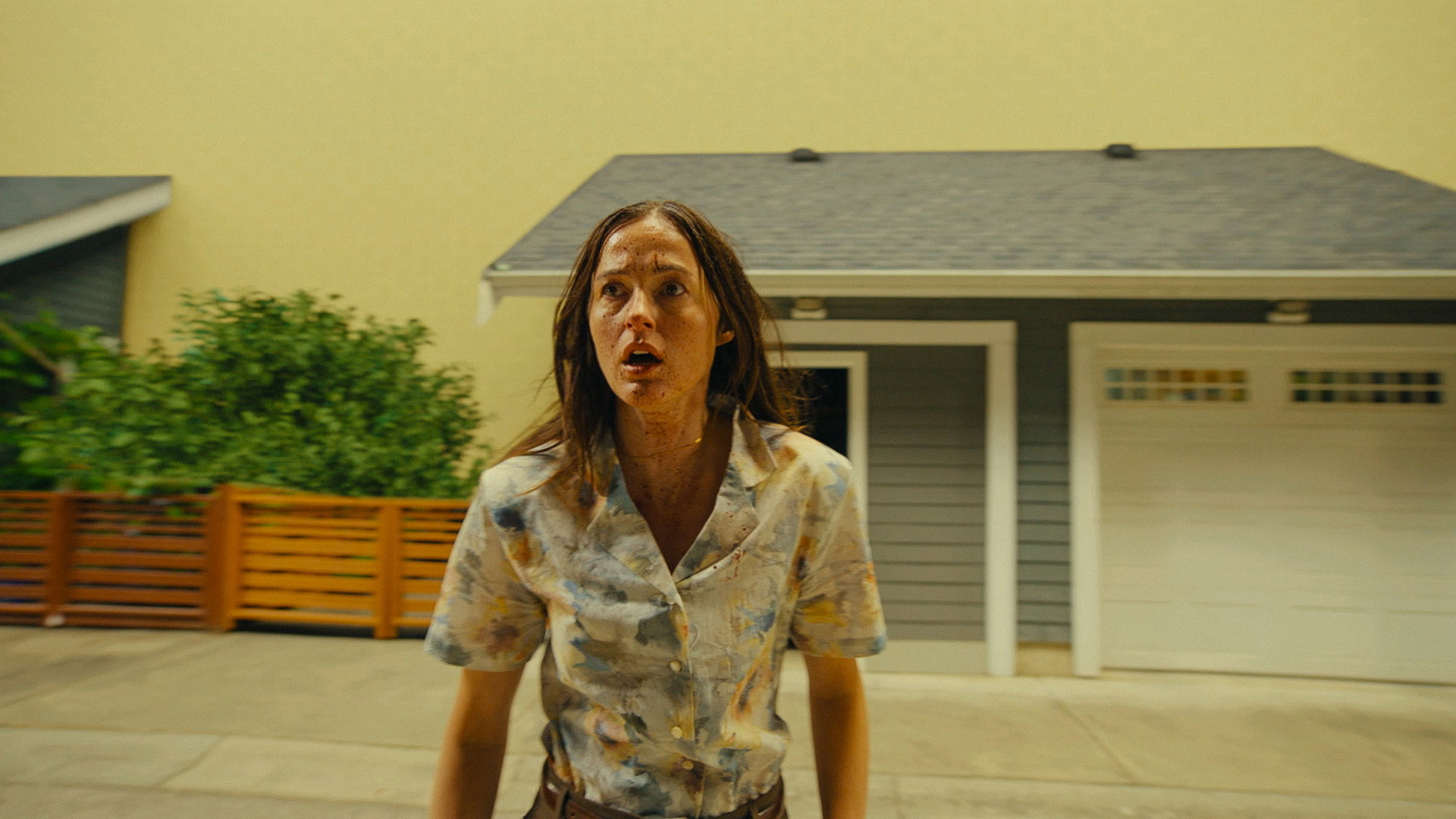
How these two young directors changed the box office conversation
Curry Barker and Kane Parsons are part of a new generation of filmmakers who understand attention better than most legacy studios do. They know how to build curiosity online, how to make a concept instantly memorable, and how to turn fear into social conversation.

That matters because horror is one of the few genres where originality still gets rewarded. Big franchises sell familiarity. Horror sells discovery. If the idea is strong enough, and if the marketing makes the audience feel like they are about to miss something everyone else will be talking about, then the movie can win far beyond its budget.
The lesson for Hollywood is simple: young directors are not only capable of making movies, they are capable of moving the market. When Barker and Parsons deliver, they are not just earning money — they are changing studio strategy.

Can horror really compete with Star Wars and other giant IP?
On pure total box office, giant franchises still have the advantage. A movie like Star Wars: The Mandalorian and Grogu opened to massive numbers because it has a built-in global audience and a reported budget of around $165 million. That scale is in a different universe from Obsession and Backrooms.

But horror is competing where it matters most: profitability, flexibility, and audience enthusiasm. A film like Obsession does not need to gross a billion dollars to be a powerhouse. It only needs to cost little, connect fast, and keep playing. Backrooms shows a similar pattern: when the concept is instantly recognizable and the audience already feels online ownership of the idea, theatrical demand can become explosive.
That is why these films are so important. They are not replacing franchise blockbusters. They are exposing how fragile the old model can be when originality suddenly feels more urgent than spectacle.
What this means for summer 2026
The rest of Summer 2026 is packed with giant releases — including titles like Masters of the Universe, Disclosure Day, Toy Story 5, Supergirl, The Odyssey, and Spider-Man: Brand New Day. That lineup shows that studios still believe the theatrical event movie is alive and well.
But the success of Obsession and Backrooms adds a warning to that optimism. Audiences are not automatically loyal to expensive IP. They are loyal to excitement. If a horror film feels fresh enough, weird enough, and urgent enough, it can steal attention from the biggest brands in the business.
Final take
Obsession and Backrooms are the kind of box office stories Hollywood used to ignore and now cannot afford to dismiss. One comes from a 26-year-old creator who turned a tiny budget into a massive worldwide hit. The other comes from a 20-year-old filmmaker who transformed an internet horror idea into a theatrical release with real momentum.
Together, they represent a new kind of power in the movie business. Not old-school stardom. Not inherited franchise value. Not even massive budgets. Just a sharp idea, a young director, and an audience that still loves being scared by something it has never seen before.
If Hollywood is paying attention, the message is already clear: the future of the box office may belong just as much to fearless young horror filmmakers as it does to the biggest IP in the world.


