

Movies vs Sports: Why This Summer Is Proof That Both Can Own Our Attention Without Needing to Beat Each Other
People love to frame movies vs sports as a battle for attention, but that is only half the story. This summer shows something bigger: movies and sports are not enemies. They are two different kinds of spectacle, two different emotional experiences, and two different ways of bringing millions of people into the same conversation.
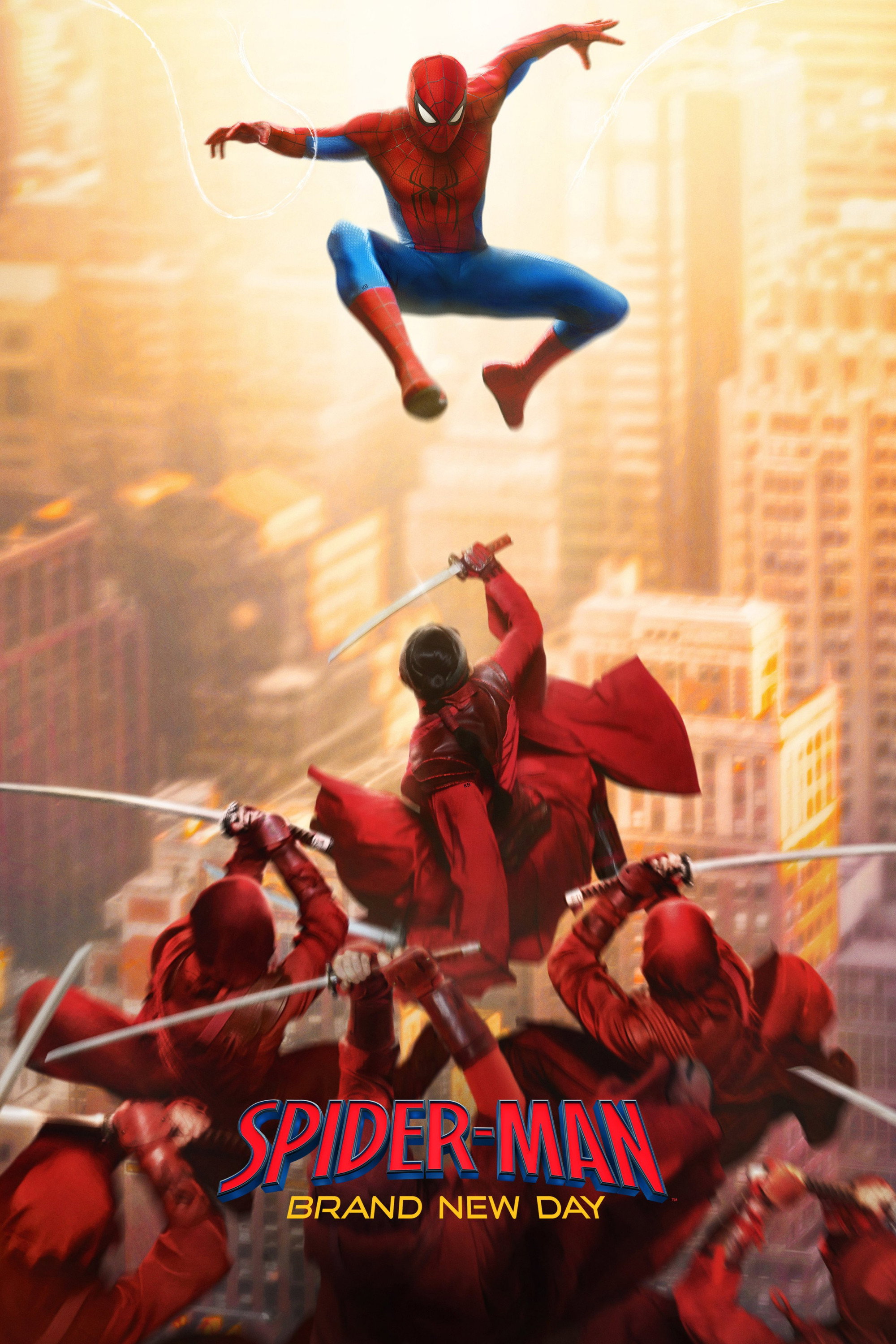
Right now, the timing is perfect. The 2026 FIFA World Cup is running across Canada, Mexico, and the United States from 11 June to 19 July 2026, with 48 teams and 104 matches across 16 venues. At the same time, summer moviegoing is entering its biggest stretch, with major releases like The Odyssey on 17 July 2026, Spider-Man: Brand New Day on 31 July 2026, and Minions & Monsters on 1 July 2026.
Movies and Sports Are Competing for Time, Not for the Same Feeling
The easiest mistake is to assume movies and sports do the same job. They do not. Sports create uncertainty in the moment. Movies create certainty in the making and discovery of a story. One asks, “What happens next?” and the other asks, “How did they do that?”
A football match, especially during the World Cup, feels alive because anything can change in seconds. A blockbuster feels alive because the audience is watching a huge idea unfold on a giant screen with sound, color, and scale that everyday life cannot match.
That is why they can coexist even when they seem to fight for the same audience. A big match can turn a city into a public arena. A big movie can turn a theater into a shared emotional chamber.
Why the 2026 FIFA World Cup Is Such a Powerful Cultural Force
The World Cup is not just another sports tournament. It is one of the few events on earth that can pull together casual viewers, hardcore fans, families, workplaces, restaurants, and entire national identities at once.
The 2026 edition is especially important because it is the first FIFA World Cup to feature 48 teams and it is being shared across three host countries. That scale makes it more than a sporting event. It becomes a continent-wide entertainment calendar.
On 24 June 2026, the tournament is still in its opening phase, and FIFA’s fixture schedule shows the round of 32 beginning on 28 June 2026. That means the current moment is the perfect overlap of rising match intensity and rising movie-season pressure.
That overlap matters because the World Cup changes behavior. People leave work earlier, gather in groups, eat out more, check scores constantly, and build their day around kickoff. It does not just affect sports fans. It affects the entire rhythm of culture.
How Sports Affect Movies
The first effect is obvious: sports can reduce movie attention in real time. If there is a major match happening, audiences are less likely to sit through a two-hour film at the exact same hour. That is why release strategies, premiere dates, and marketing pushes become more careful during massive sports windows.
But sports also help movies. Big tournaments create emotional momentum, and people who are already in a “shared event” mindset are more receptive to going out again, buying tickets, and treating entertainment as a social activity.
In other words, sports can steal attention from a movie on Tuesday night and boost the appetite for a blockbuster on Friday night.
What movie studios watch during a World Cup summer
They track audience availability, social media mood, weekend competition, trailer timing, family viewing patterns, and the way live-sports conversations spill into everyday life. A strong sports calendar changes not just when people watch movies, but how they discover them.
How Movies Affect Sports
Movies do the same thing in the opposite direction. A huge summer blockbuster can dominate internet conversation, produce memes, inspire fan art, launch costume trends, and create the kind of hype that spills into sports culture too.
When a movie becomes a phenomenon, it becomes part of the same daily chatter that sports already live inside. People compare heroes, talk about pressure, celebrate comeback arcs, and argue about who delivered the best performance. That language is not just for sports anymore.
Sports personalities also know this. Athletes promote films, attend premieres, quote movie scenes in interviews, and use cinematic language to describe their own careers. The lines blur because both industries run on stars, stories, and moments.

A blockbuster summer can even shape the way fans discuss athletic greatness. Big movies remind audiences what scale feels like, and sports often borrow that same scale when people call a game “epic,” “historic,” or “cinematic.”
Why This Summer’s Movie Slate Feels Built for Big-Event Thinking
The current release slate is a good example of why movies and sports can thrive together. The Odyssey is positioned like a giant theatrical event, with an official release date of 17 July 2026. Spider-Man: Brand New Day follows on 31 July 2026, while Minions & Monsters opens on 1 July 2026.
That lineup matters because it shows that studios are still betting on big, communal movie experiences. These are not quiet releases. They are designed to feel like events, just like a knockout match or a final group-stage clash.
The best blockbuster movies ask for the same thing a major sporting event asks for: your full attention, your emotional investment, and your willingness to experience it with other people. That is why summer movies and summer sports often feel like siblings instead of rivals.
Why Fans Love Both in Different Ways
Sports are fun because they are unpredictable and immediate. Nobody knows the final score when the game starts. Every pass, save, shot, and mistake can matter. That is pure tension.
Movies are fun because they let you live inside a crafted emotional arc. Even when you know the ending, the path still matters. The music, pacing, performance, editing, and visual language are all part of the reward.
Sports give you the joy of discovery. Movies give you the joy of immersion. One is a test of nerve. The other is a test of imagination.
That is why fans can love a dramatic penalty shootout and a huge final battle scene for the same reason: both deliver release after buildup.
The Real Business Battle Is About Habits, Not Loyalty
The entertainment industry often talks like audiences must “choose” between movies and sports, but the real issue is habit. What do people do first when they have free time? What do they open on their phone? What do they plan around? What do they gather friends for?
Sports win when the event is live and the stakes are immediate. Movies win when the story feels too big to ignore and the theatrical experience feels worth leaving home for.
This is why the best strategy is not opposition. It is timing. Sports and movies both want the same thing: scheduled attention. The winners are the ones who understand the audience’s weekly rhythm.
How Social Media Makes Both Bigger
Social media turns both movies and sports into daily conversation engines. A single goal can produce thousands of reactions in minutes. A single trailer can do the same.
That is why the modern question is not “Which is bigger?” It is “Which one is currently moving faster through the internet?”
World Cup matches create instant emotional spikes. Blockbuster movie drops create sustained conversation across days or weeks. Together, they keep the entertainment cycle active almost nonstop.
In practice, this means a sports highlight can trend in the morning and a movie teaser can dominate the evening. Attention is no longer one lane. It is a constant rotation.
Why Both Work Best When They Feel Like Events
Ordinary content gets skipped. Event content gets scheduled. That is the secret behind both sports and blockbuster cinema.
The World Cup is an event because it has a countdown, a bracket, and a national emotional payoff. A big movie is an event because it has a release date, a first weekend, and a promise of scale.
When a movie feels like an event, people talk about ticket sales, opening night, and the first viewing experience. When a match feels like an event, people talk about the atmosphere, the stakes, and the unforgettable moment that happened at a specific second.
That is why both continue to matter even in a world full of short-form content. They ask for time in a way that feels special, not casual.
The Best Argument for Movies and Sports Is That They Feed Each Other
The smartest takeaway is not that one is better. It is that each one sharpens our appetite for the other. A great sports event reminds us why live emotion matters. A great movie reminds us why storytelling matters. Together, they make culture feel fuller.
A person who spends the afternoon watching a World Cup thriller may be exactly the same person who wants a huge summer blockbuster at night. That is not a contradiction. That is how modern entertainment works.
The more people look for shared experiences, the more both sports and movies become essential. One delivers the pulse of the moment. The other delivers the memory that lasts.
Final Take
This summer proves that movies vs sports is the wrong frame. The better frame is movies and sports. One gives us live uncertainty, the other gives us crafted wonder, and both are powerful because they bring people together.
With the 2026 FIFA World Cup moving through its opening phase and summer blockbusters like The Odyssey, Spider-Man: Brand New Day, and Minions & Monsters filling theaters, the cultural calendar is packed with reasons to gather, react, argue, celebrate, and remember.
Sports are fun because they happen once. Movies are fun because they can stay with you forever. That is not competition. That is a perfect balance.


