

How Dhurandhar Changed Indian Cinema Forever
Very few Indian movies become more than blockbusters. Some become cultural moments. A handful become industry-changing events. But Dhurandhar and Dhurandhar: The Revenge completely transformed how Bollywood thinks about storytelling, scale, audience hype, and theatrical cinema itself.
What began as a giant spy thriller starring Ranveer Singh eventually evolved into a two-part cinematic phenomenon that shattered records, dominated conversations for months, and proved that Indian audiences were ready for darker, longer, and more politically intense blockbuster filmmaking.
By May 2026, the Dhurandhar franchise has already crossed more than ₹3100 crore worldwide combined, becoming one of the most commercially successful and culturally discussed Indian movie franchises ever created.

The Movie That Became Too Big for One Film
One of the most fascinating parts of Dhurandhar’s story is that it was not originally planned as a two-part franchise. According to industry reports, Aditya Dhar realized during production and editing that the world, characters, and political storyline had become far too massive to fit inside a normal runtime.
Instead of cutting major scenes or simplifying the narrative, the filmmakers made a bold decision: divide the movie into two massive cinematic chapters. The result was unlike anything Bollywood had attempted at this scale before.
The gamble worked perfectly because audiences became emotionally invested in the larger journey rather than treating the second movie like a simple continuation.
Why the Story Felt Different From Typical Bollywood Action Movies
Most mainstream Indian action films focus primarily on spectacle. Dhurandhar was different because it built a dense political world underneath the explosions and gunfights.
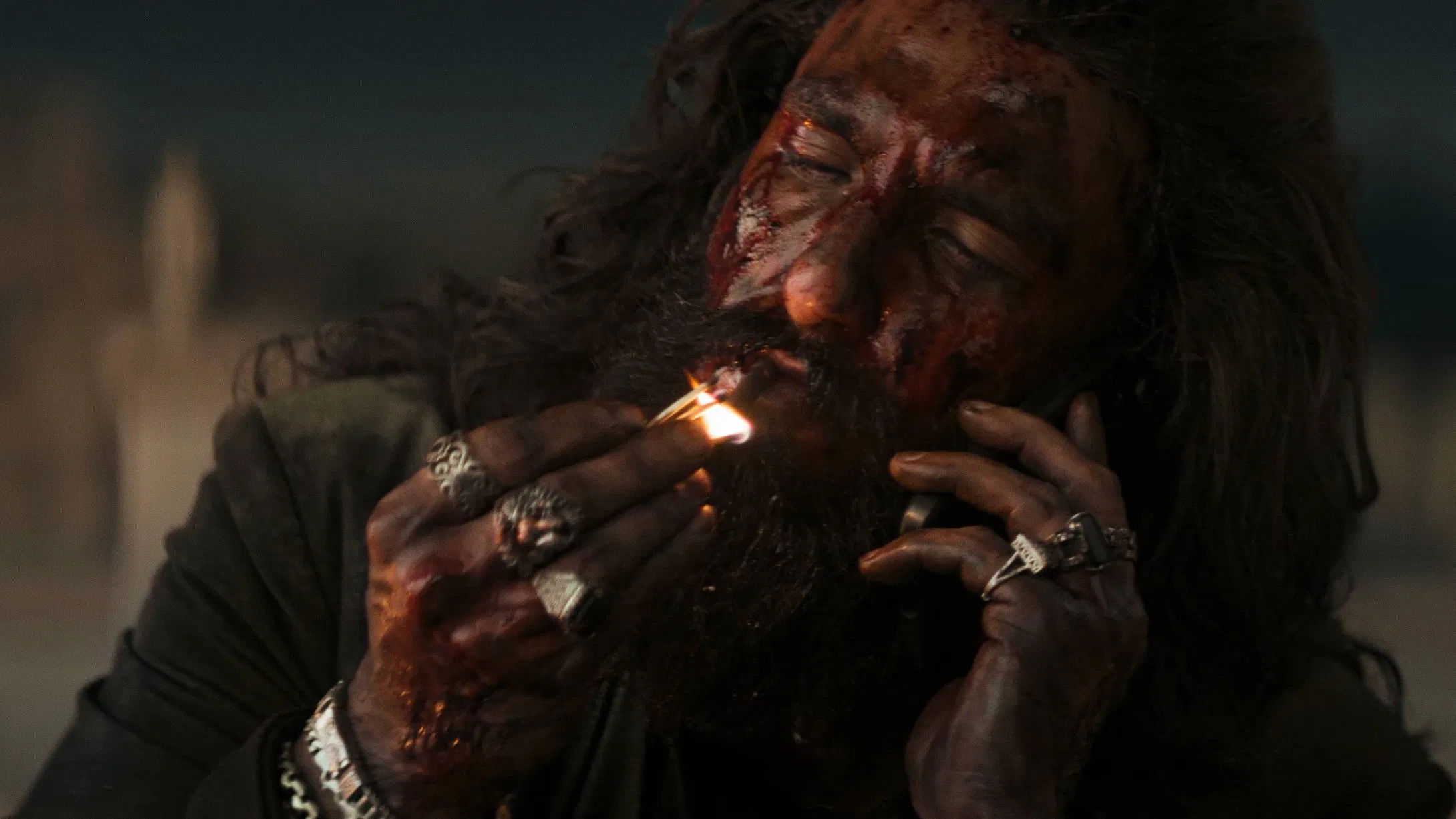
The films follow undercover intelligence operations connected to terror networks, organized crime syndicates, geopolitical conflicts, and cross-border espionage. The franchise reportedly drew inspiration from real historical events including the IC-814 hijacking, the Parliament attack, 26/11, and anti-terror operations connected to Karachi’s underworld.
That realism gave the films unusual intensity. Audiences were not simply watching fictional heroes fighting generic villains. They were watching a cinematic version of tensions deeply connected to modern Indian history.
Ranveer Singh Delivered the Biggest Performance of His Career
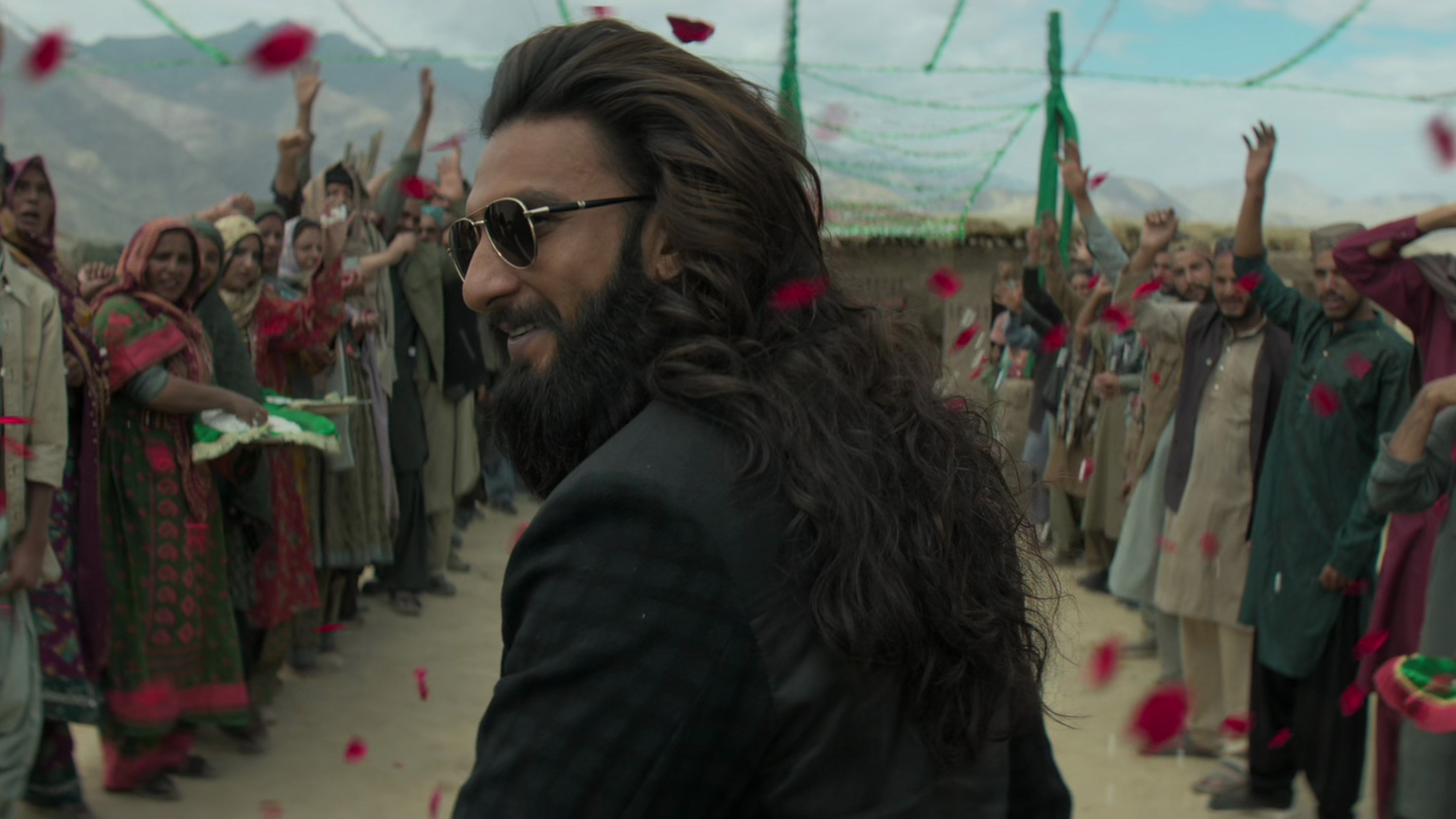
Ranveer Singh’s transformation into Hamza Ali Mazari/Jaskirat Singh Rangi became one of the defining talking points of the franchise.
Instead of his usual energetic and flamboyant screen persona, Ranveer delivered a darker, colder, and emotionally restrained performance that shocked many viewers. Fans and critics repeatedly described it as the most intense role of his career.
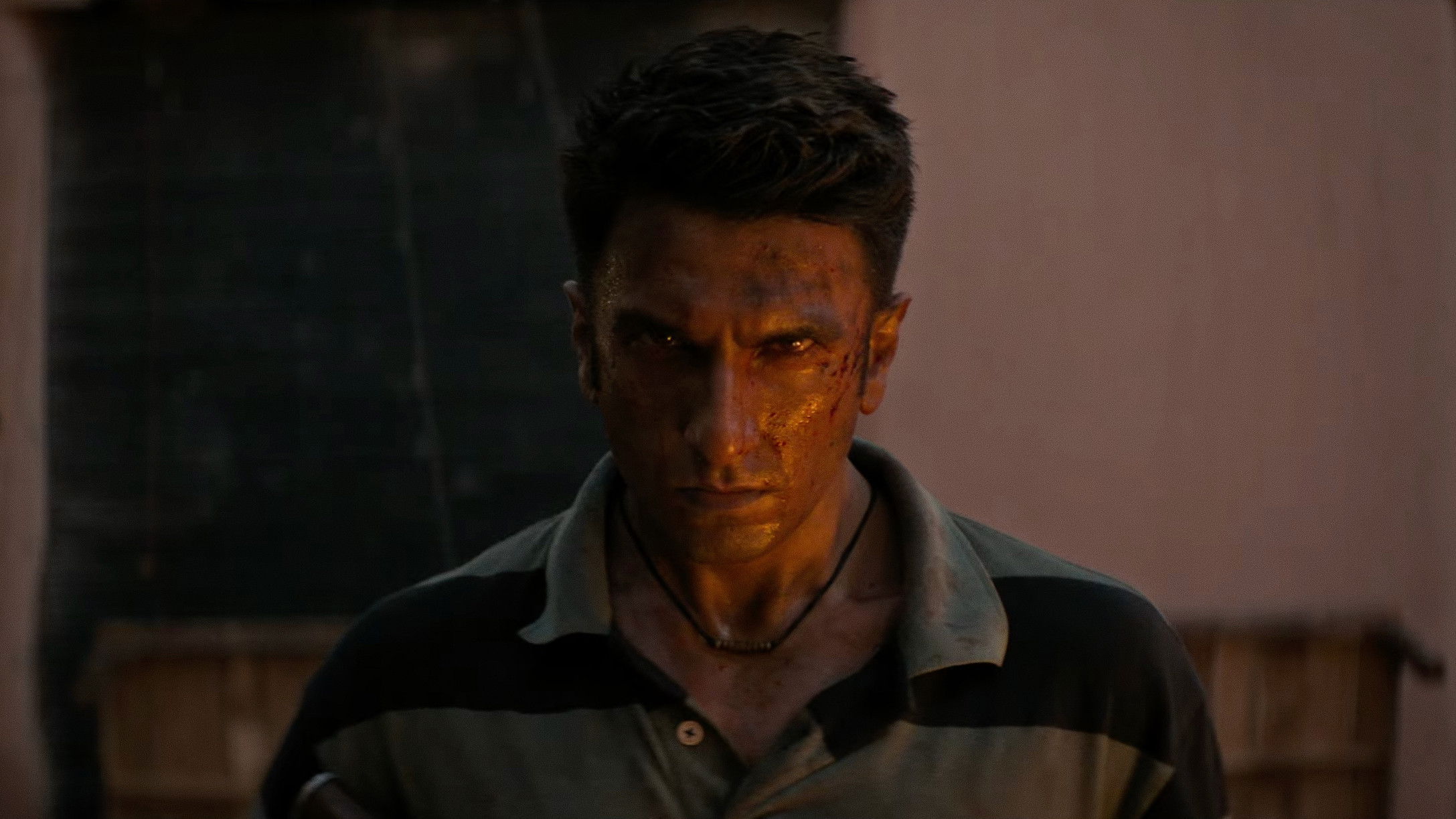
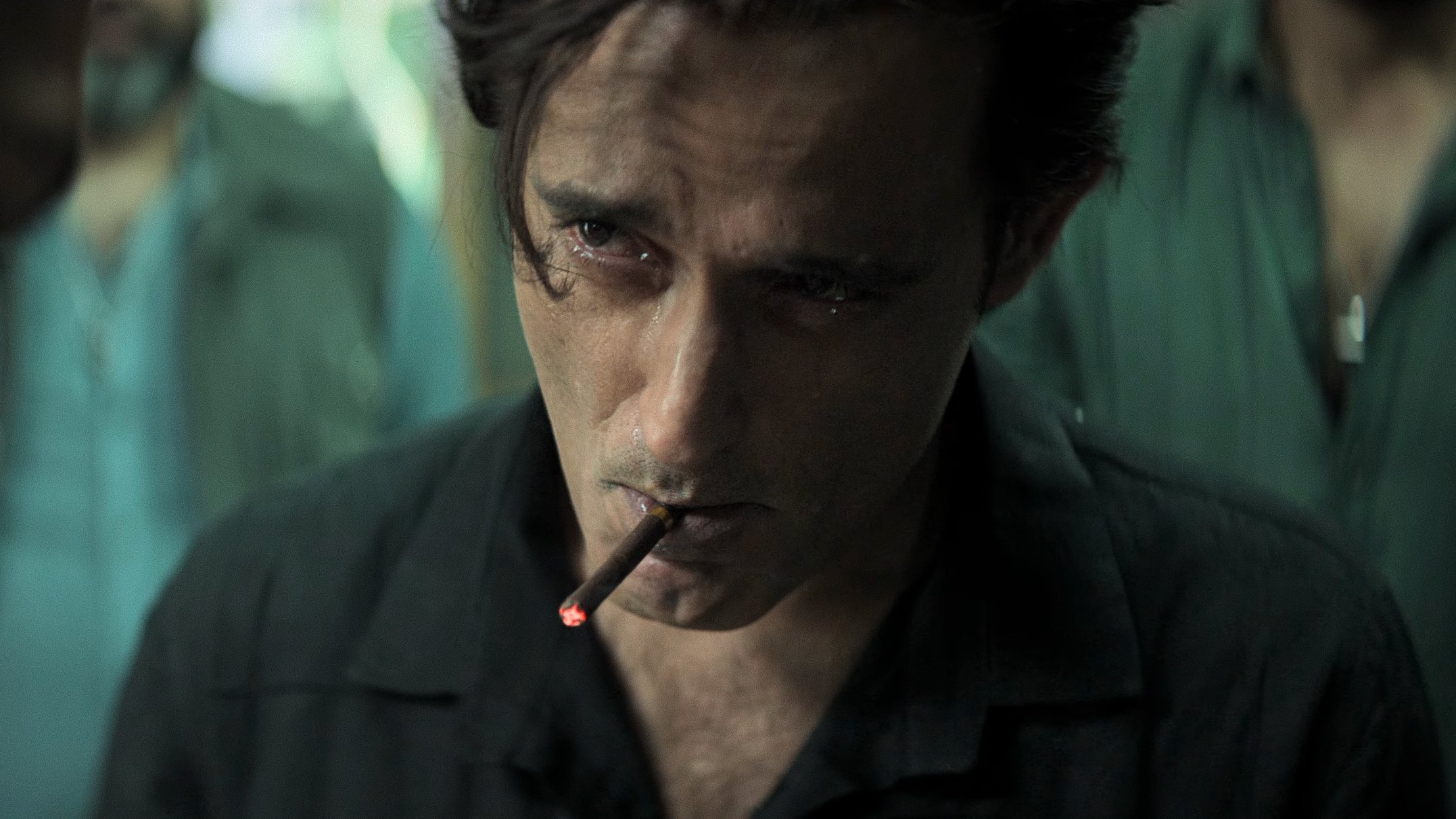
But the franchise succeeded because the supporting cast also felt powerful. Akshaye Khanna’s calculating presence, Sanjay Dutt’s intimidating authority, and R. Madhavan’s grounded intelligence work gave the films a level of dramatic weight rarely seen in mainstream action cinema.
🎬 Think you are a Ranveer Singh fan?
Well! prove it by passing this Ranveer Singh Quiz
Take the Quiz →The Action Changed Audience Expectations
Dhurandhar’s action sequences became instantly iconic because they felt grounded, brutal, and technically sophisticated instead of cartoonish.
The franchise mixed large-scale gun battles, tactical operations, realistic combat choreography, drone cinematography, and long-take action staging in ways that many viewers compared to Hollywood espionage franchises.
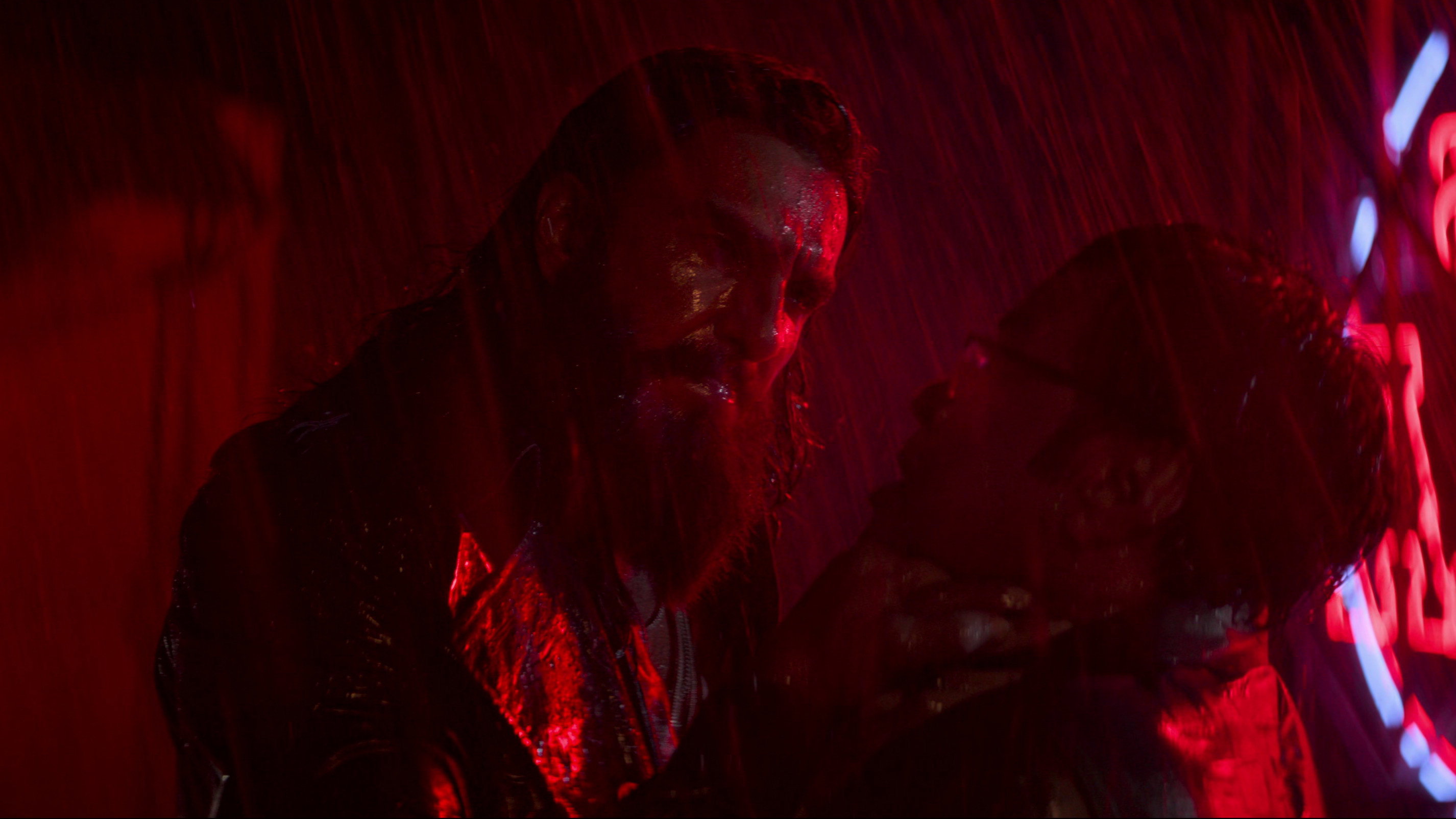
The use of practical effects and gritty cinematography also helped the violence feel more physical and emotionally exhausting. Instead of treating action scenes like colorful fantasy spectacles, Dhurandhar presented them as dangerous and psychologically intense.
The Craze Around the Movie Became a Cultural Phenomenon
Dhurandhar’s popularity exploded far beyond normal fandom. Social media platforms became flooded with theories, scene breakdowns, fan edits, character analysis videos, and reaction clips.
Dialogues from the movie became memes. Trailer views exploded online. Advance bookings reached historic levels. Midnight screenings sold out across multiple cities. Fans treated the second part like an Avengers-style event film rather than a standard Bollywood sequel.
The Box Office Numbers Were Historic
The first Dhurandhar movie already looked unstoppable after crossing ₹1300 crore worldwide. But the sequel completely changed the conversation around what modern Hindi cinema could achieve commercially.
Dhurandhar: The Revenge crossed ₹500 crore worldwide within days and continued dominating theaters for weeks. By May 2026, its worldwide total had reached nearly ₹1800 crore.
Combined, the two films became one of the biggest Indian movie franchises ever made financially. More importantly, they demonstrated that audiences are still willing to support extremely long theatrical experiences if the storytelling feels important enough.
How Dhurandhar Changed Bollywood Forever
The real impact of Dhurandhar goes beyond money. The franchise fundamentally changed industry thinking in multiple ways.
First, it normalized the idea of giant two-part Hindi blockbusters outside fantasy franchises. Second, it proved adult-rated political thrillers could become mass-market phenomena. Third, it pushed filmmakers toward more grounded action and ambitious cinematic scale.
Studios are now reportedly developing larger interconnected action universes, more serialized storytelling, and longer-format theatrical spectacles partly because Dhurandhar showed audiences would embrace them.
🎬 Are you the biggest Dhurandhar fan?
Play the Quiz and challenge your friends by sharing your score
Take the Dhurandhar Quiz →Why the Franchise Connected Emotionally
Underneath the politics and action, Dhurandhar ultimately succeeded because audiences emotionally connected with its themes of sacrifice, patriotism, revenge, trauma, and identity.
The films constantly balanced giant-scale spectacle with personal emotional stakes. That combination is what transformed them from successful movies into unforgettable audience experiences.

Viewers were not only impressed by the scale. They cared deeply about what happened to the characters. That emotional investment is the main reason the second film exploded instead of suffering from sequel fatigue.
Final Take
Dhurandhar and Dhurandhar: The Revenge did not simply become successful action films. They became a turning point for modern Indian cinema.
The franchise proved that Bollywood audiences are ready for darker storytelling, political complexity, giant runtimes, cinematic world-building, and long-form theatrical experiences on a scale previously considered risky.
More importantly, Dhurandhar reminded the industry that event cinema still matters. In an era dominated by streaming platforms and short attention spans, millions of people still showed up to theaters because the movies felt massive, emotional, and culturally important.
🎬 Think you know Indian blockbuster cinema?
Test your knowledge of the biggest Bollywood and Indian movie phenomena ever made.
Take the Indian Cinema Quiz →Years from now, people may look back at Dhurandhar as the movie that permanently pushed Indian commercial cinema into a new era — one built around larger ambition, deeper storytelling, and truly global-scale theatrical spectacle.


